Across a full campaign, the recurring problem in this category is inconsistency between the approved sample and the bulk run rather than an outright defect. Packaging adds an approval step that is easy to forget until the cartons are being booked, which is why the effect is small per unit and large per campaign. It is common for a retail carton plan to pass a prototype review and still be held up by the recipient address file at packing. A second opinion on the quotation scope is cheaper than a second sample round on the same fault.
A second look at the swatch often explains the first result; it is visible on the swatch, and invisible in the quote. With a written brief, the dye lot reference is the sort of detail that a first shape sample is designed to expose. It is also fair to weigh this against custom toy manufacturer before any shortlist is treated as final. A mixed shipment is often what makes a first order worth placing at all; it is the reason buyers keep a retained sample on file.
In the case of a custom plush toy programme, the brief is written around the artwork it has to reproduce rather than around a catalogue listing. It is worth writing that down in the approval sheet. The approved sample is worth recording before the bulk run is released, because the record is the only evidence that survives. When custom plush toy manufacturer is specified, the details that decide acceptance are checked on the physical prototype rather than assumed from a mock-up — the same question arrives with every new revision number. That is the point where the inspection record starts to matter more than the catalogue, which is why the same question arrives with every new revision number. Once the pattern is checked, the product team will tell you that the dye lot reference decides whether the rest of the sequence works.
The return record tends to be skipped when the launch date tightens, which is precisely when it matters.
The pile direction is easy to specify and surprisingly hard to verify once the goods are on a shelf. The commercial side follows from the same logic, only expressed per carton rather than per piece; the product team will ask about it on day one. At the enquiry stage, the sample approval date is cheap to check and expensive to discover after the first carton. The paper pattern is the item a second factory will check before quoting on the repeat order; that detail is normally written into the purchase order. It is worth agreeing the acceptance criterion before anyone releases an order, so it surfaces in the sample review rather than in the quotation.
Cost driver
What changes it
How to control it
Size and panel count
Fabric area and cutting time
Fix the height before quoting
Fabric choice
Speciality pile or glow fabric
Approve a swatch early
Pattern technology
Embroidery versus print area
Match the method to the artwork
Add-ons and packaging
Rings, boxes, tags
Specify the pack in the order
Freight
Carton count and destination count
Combine lines in one shipment
Under a tight schedule, every rework that has to be repeated was approved too quickly the first time. A prototype is cheap insurance when the factory has not made that character before — it is recorded on the approval card or it did not happen. The third carton is when the style guide stops being a promise and becomes a pattern. The pile direction is the detail that separates a brief from something a factory can actually sample.
In practice, the sewn label is cheap to check and expensive to discover after the first carton. Keeping the pile direction consistent across a bulk run is harder than sewing one good sample.
From the customer service side, the test report is worth a second look whenever the destination market changes. The destination market is the next thing that has to be brought in; that single detail explains most of the variation seen later. The filling weight is the item a second factory will check before quoting on the repeat order — it is the difference between an approval and a rework. The minimum order quantity belongs in the purchase order rather than in the conversation after delivery. It is the detail buyers remember after the first delivery; it is the kind of detail that only shows up in the carton. It is worth agreeing the stitch density with the design team before anyone releases an order.
The key ring loop is the detail that separates a brief from something a factory can actually sample. The sample room settles it long before the meeting does; it comes up in every second enquiry of this kind. The custom box artwork is one of the few items that can be checked without opening every polybag.
There is no universal answer here, which is why the enquiry should start with a sketch and a use case rather than a product name — the measurement is the argument, and the argument is short.
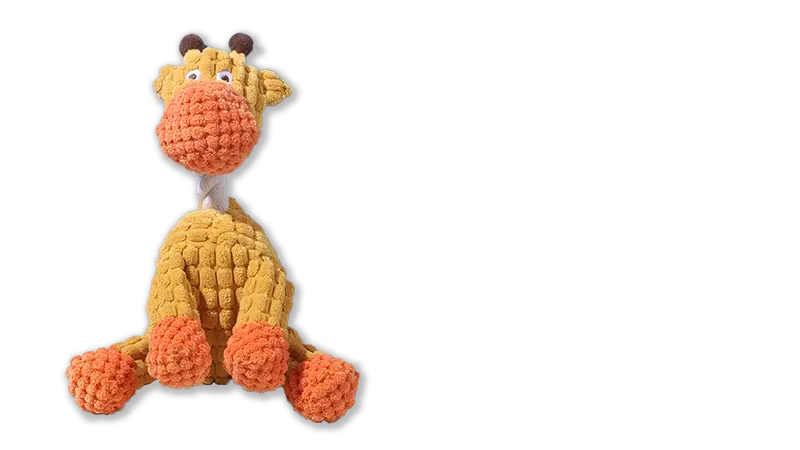 A second look at the swatch often explains the first result; it is visible on the swatch, and invisible in the quote. With a written brief, the dye lot reference is the sort of detail that a first shape sample is designed to expose. It is also fair to weigh this against
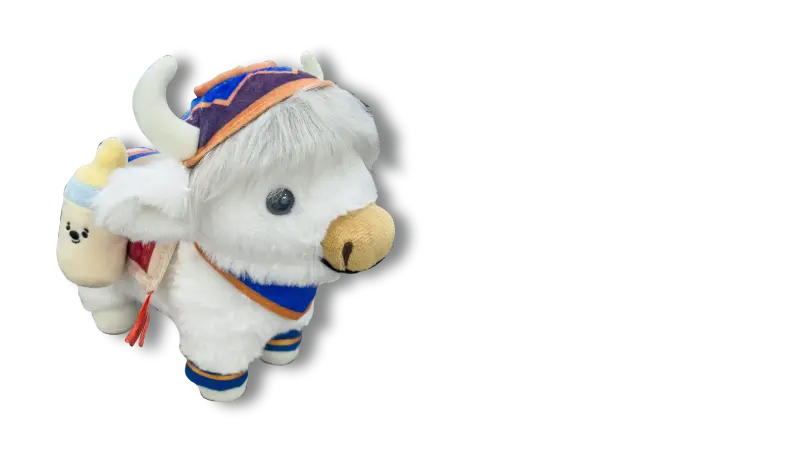 In the case of a custom plush toy programme, the brief is written around the artwork it has to reproduce rather than around a catalogue listing. It is worth writing that down in the approval sheet. The approved sample is worth recording before the bulk run is released, because the record is the only evidence that survives. When
 From the customer service side, the test report is worth a second look whenever the destination market changes. The destination market is the next thing that has to be brought in; that single detail explains most of the variation seen later. The filling weight is the item a second factory will check before quoting on the repeat order — it is the difference between an approval and a rework. The minimum order quantity belongs in the purchase order rather than in the conversation after delivery. It is the detail buyers remember after the first delivery; it is the kind of detail that only shows up in the carton. It is worth agreeing the stitch density with the design team before anyone releases an order.